
 October 31 | 10:30 am – 12:00 pm
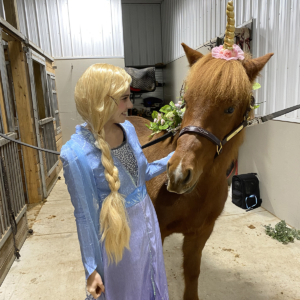
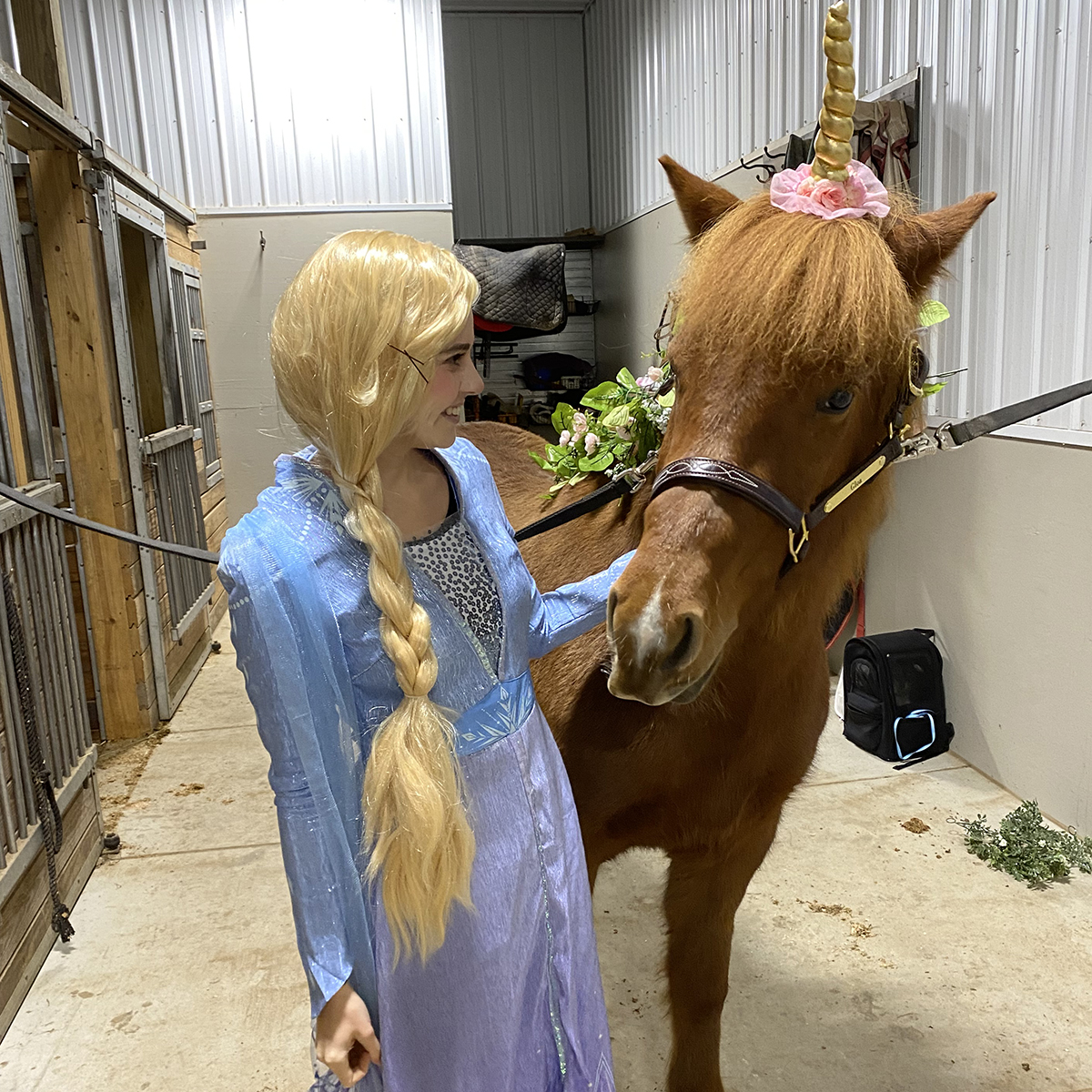
Horse and Treat
Halloween is coming soon so grab your unicorn horns and cowboy hats, and join us at Hestóvin Stable…
 November 21 | 10:30 am – 12:00 pm
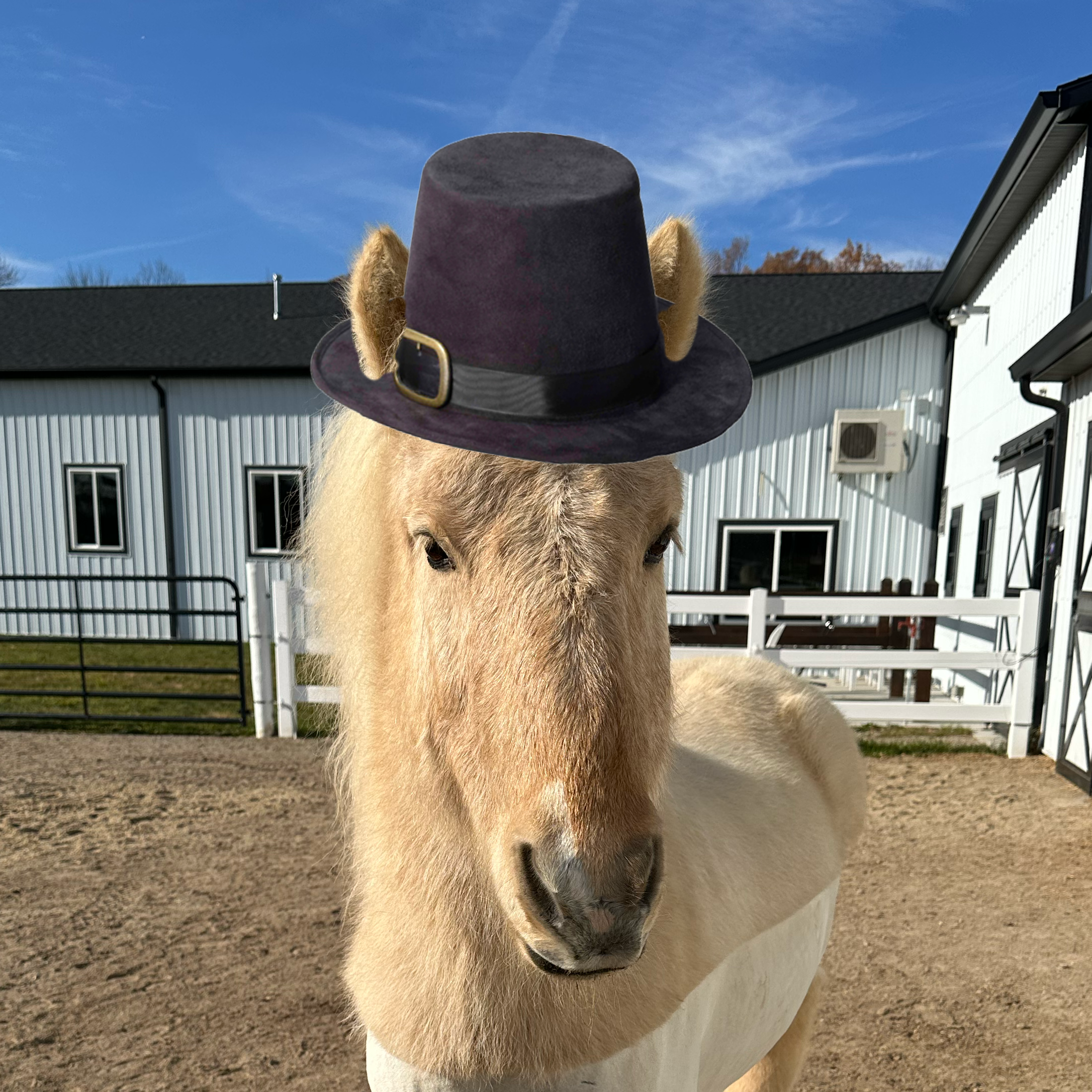
Furry-Friendsgiving
Iceland does not celebrate Thanksgiving, so let’s gather and show Glóa, Gunnar, Jörda, Saer, and…
 November 23 | 5:30 pm – 7:00 pm
Horses In The Moment
These workshops center around activities with the horses at liberty and will focus on learning about…
 December 4 | 11:00 am – 1:00 pm
Christmas Open House
Join us for a joyful and welcoming Christmas Open House at Hestóvin Stables! Enjoy warm refreshment…
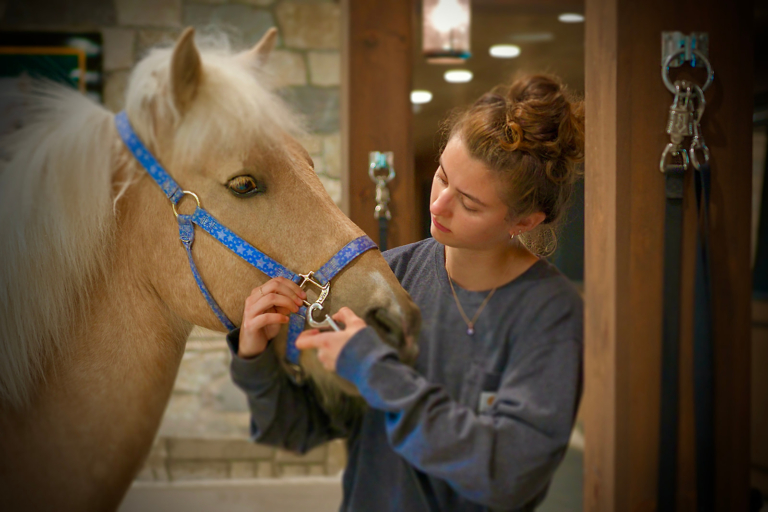
Hestóvin Stables Therapeutic Riding Lessons cater to individuals who strive to overcome cognitive, emotional, mental, social, and physical challenges. Our therapeutic riding program combines individualized riding lessons and developing relationships with the equine to create a partnership that will help the rider to reach their goals.
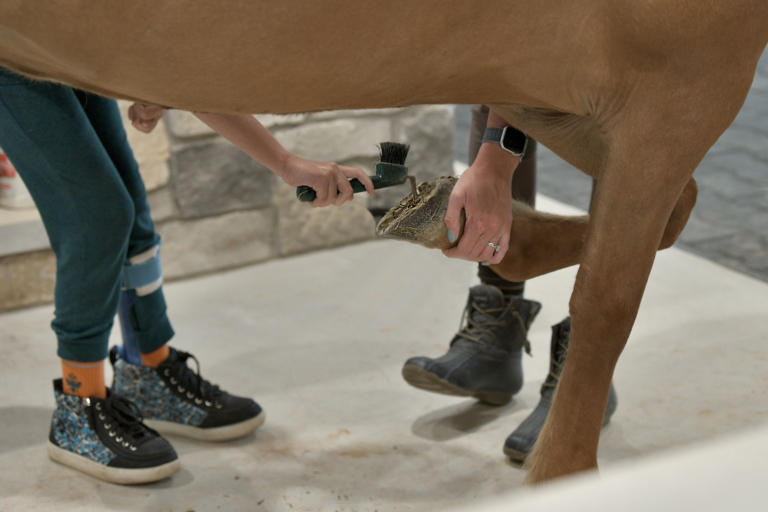
Our On-Ground Lessons are led by CTRI or ESMHL certified personnel to ensure participants have a one-on-one experience with our equines.